
What Is Fresh-Milled Flour?


Most people think flour is simply flour. After all, whether you're baking bread, cookies, or pastries, flour is the ingredient that arrives in a bag and goes into a mixing bowl.
But there's a significant difference between flour that was milled months ago and flour that was milled just before baking.
That's where fresh-milled flour comes in.
Fresh-Milled Flour Starts With Whole Grain
Fresh-milled flour is flour that has been ground from whole grain shortly before it is used.
Instead of purchasing pre-milled flour, bakers begin with whole wheat berries and mill them into flour themselves.
A wheat kernel contains three parts:
Bran
Germ
Endosperm
When grain is freshly milled, all three parts remain together in the flour.
The result is a flour that reflects the grain in its complete form.
How Is Fresh-Milled Flour Different?
The biggest difference is time. Most commercial flour is milled long before it reaches the baker. It may be stored, packaged, shipped, warehoused, and stocked before eventually being used.
Fresh-milled flour follows a much shorter path.
The grain is milled and then incorporated into dough shortly afterward. This allows bakers to work with flour at its freshest point.
What Does Fresh-Milled Flour Taste Like?
Many people are surprised by the flavor. Fresh-milled flour often produces bread with deeper grain character and more complexity than they expect.
Different grains contribute different flavors:
Hard White Wheat offers a mild sweetness.
Hard Red Wheat brings richness and depth.
Khorasan Wheat contributes buttery, nutty notes.
Spelt adds complexity.
Rye contributes earthy character.
When flour is freshly milled, those distinctions become easier to appreciate.
Is Fresh-Milled Flour the Same as Whole Wheat Flour?
Not exactly.
Fresh-milled flour is typically whole grain flour because it contains the entire wheat kernel. However, not all whole wheat flour is freshly milled. A bag of whole wheat flour purchased at a grocery store may have been milled weeks or months earlier.
Fresh-milled flour specifically refers to when the flour was milled, not simply what parts of the grain are included.
Why Do Bakers Use Fresh-Milled Flour?
For many bakers, the answer comes down to quality. Fresh milling allows the baker to begin with the grain itself rather than a processed ingredient. It creates a closer connection between the grain, the flour, and the finished loaf.
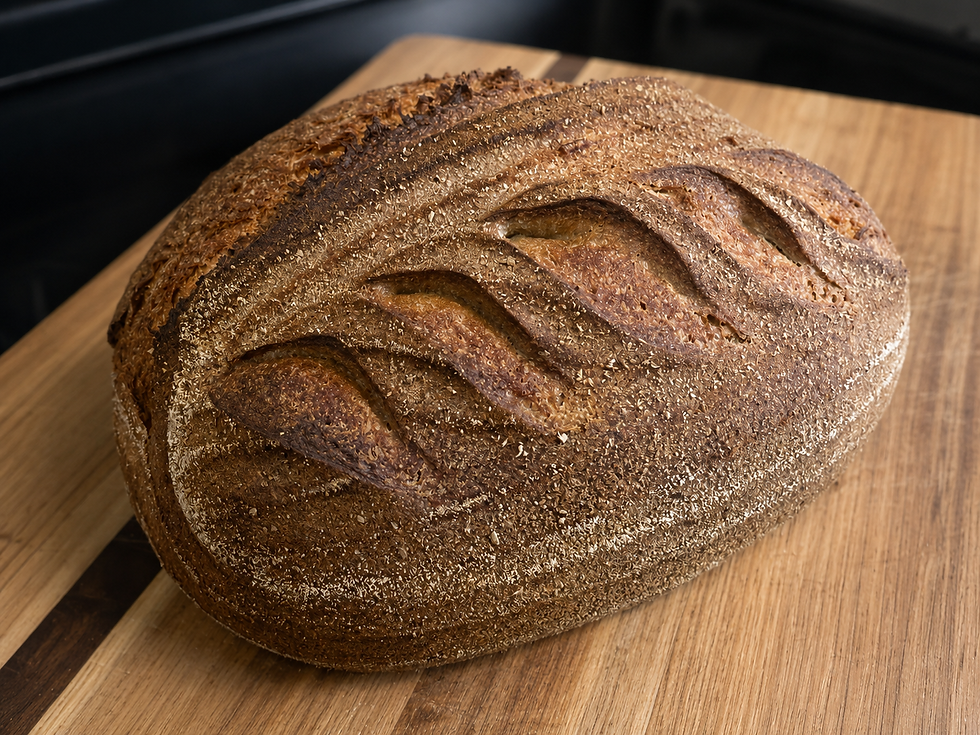
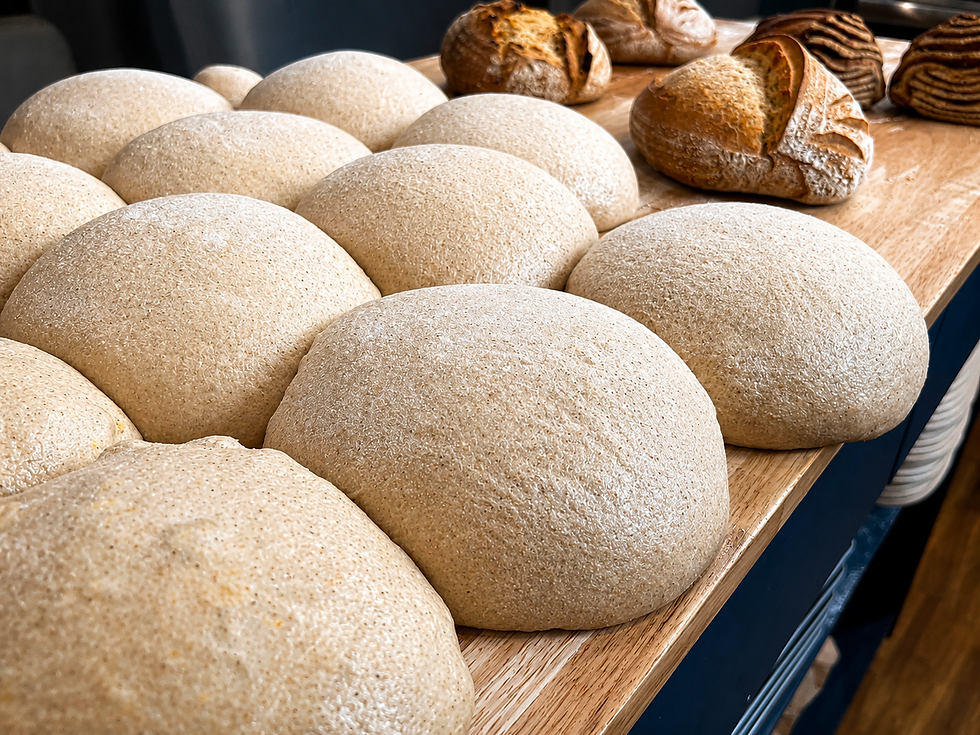
At Manna Mill Bread Co., every loaf begins with whole organic grain that we mill ourselves before baking.
It's a slower process, but we believe exceptional bread begins with exceptional grain.
The Return to Traditional Bread Making
For most of human history, flour was milled close to the time it was used. Only in relatively recent history has it become common for flour to travel long distances and spend extended periods in storage before reaching the baker.
Fresh milling represents a return to a more traditional approach—one that begins with grain and ends with bread.
Experience the Difference
Fresh-milled flour isn't a trend. It's a commitment to craftsmanship, quality ingredients, and honoring the grain itself. Whether you're enjoying an artisan loaf, a sticky bun, or a slice of babka, every product we create begins with the same philosophy:
Better Grain • Better Bread
If you'd like to learn more about why we believe fresh milling matters, be sure to read our article:
Why Fresh-Milled Flour Matters
And if you're in the St. Petersburg area, we'd love to introduce you to the flavor and character that fresh-milled grain brings to every loaf we bake.

Comments