
Fresh-Milled Flour vs. Store-Bought Flour: What's the Difference?


Most people never think about where their flour comes from. They pick up a bag at the grocery store, bake with it, and move on.
But not all flour is created equal.
One of the biggest differences comes down to a simple factor: time. Fresh-milled flour and store-bought flour may begin with the same grain, but the journey from grain to bread is very different.
How Store-Bought Flour Is Made
Most commercial flour is milled at large facilities and then packaged for distribution. Before reaching a baker's kitchen, that flour may spend time:
In storage
In packaging facilities
In warehouses
In transit
On store shelves
This system provides convenience and consistency, which is why it has become the industry standard. But it also means there is often a significant gap between when the grain is milled and when the flour is used.
What Is Fresh-Milled Flour?
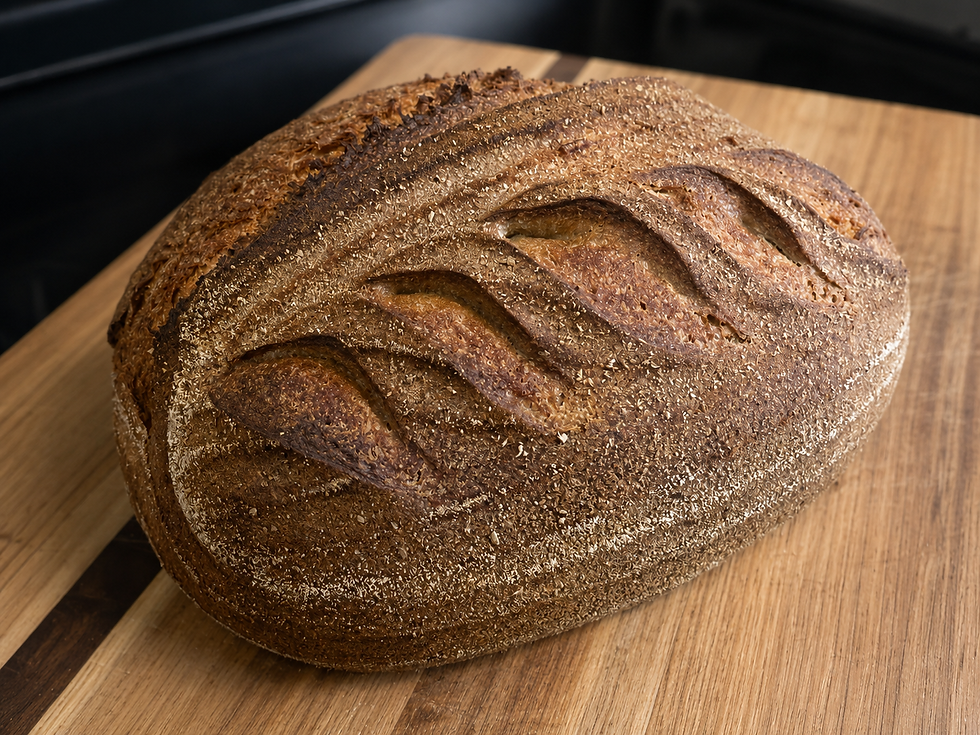
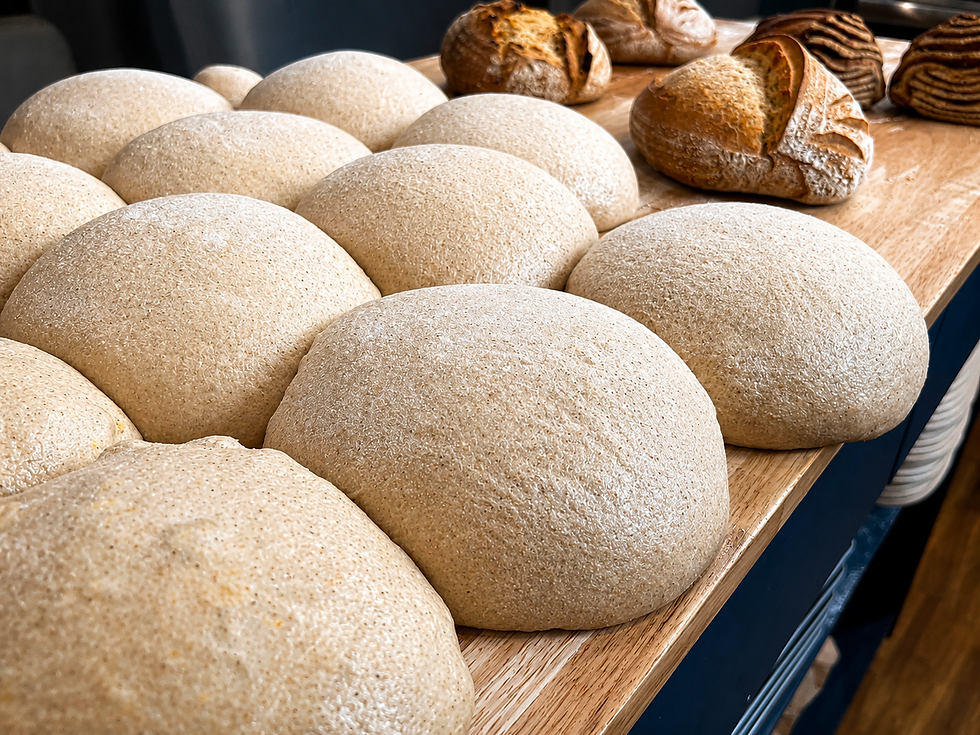
Fresh-milled flour follows a different path. Instead of purchasing pre-milled flour, bakers begin with whole grain and mill it themselves shortly before baking. At Manna Mill Bread Co., every loaf begins with whole organic grain that is milled in-house before being mixed into dough.
The flour moves from grain to bread in a much shorter period of time.
The Difference You Can Taste
One of the first things people notice about fresh-milled bread is flavor. Every grain has its own unique character.
Hard white wheat brings sweetness.
Hard red wheat offers depth.
Khorasan contributes rich, buttery notes.
Spelt adds complexity.
Rye provides earthiness.
Fresh milling allows those flavors to shine through more clearly. Many customers describe fresh-milled bread as having a deeper grain flavor and a more aromatic crust.
Fresh-Milled Flour Uses the Entire Grain
A wheat kernel contains three parts:
Bran
Germ
Endosperm
Fresh-milled flour incorporates the entire grain. This creates flour that more closely reflects the grain in its natural form.
Why Most Bakeries Don't Mill Their Own Flour
The answer is simple. It's easier not to.
Milling grain requires:
Additional equipment
Additional storage
Additional labor
Additional planning
Using commercial flour is faster and more convenient. Fresh milling is a commitment to a different process.
Why We Choose to Mill Our Own Grain
At Manna Mill Bread Co., we believe exceptional bread begins long before mixing starts.
It begins with grain. By milling our flour fresh, we're able to control every step of the process from grain to loaf.
It's more work.
But we believe the flavor, character, and quality are worth it.
Which Flour Is Better?
Both fresh-milled flour and store-bought flour can produce excellent baked goods.
The better question is:
What kind of bread experience are you looking for?
If convenience is the goal, commercial flour provides an easy solution. If you're looking for bread that highlights the flavor and character of the grain itself, fresh-milled flour offers something truly unique.
Experience the Difference
Many people don't fully understand fresh-milled flour until they taste it. That's why we invite customers to experience the difference for themselves.
Every loaf we bake begins with whole organic grain, freshly milled and carefully crafted into bread designed to showcase the grain at its best. Because we believe better grain makes better bread.
Interested in learning more? Read our guides:
Or explore our Bread Box subscription for weekly deliveries of fresh-milled bread and baked goods throughout St. Petersburg.

Comments