
What Are Ancient Grains?


Walk through a grocery store bakery and you'll find plenty of bread made from modern wheat.
Yet over the past decade, interest in ancient grains has grown steadily among bakers, chefs, and home cooks alike. Names such as einkorn, spelt, and khorasan have appeared on bakery shelves, restaurant menus, and ingredient labels, often accompanied by claims about flavor, tradition, and nutrition.
But what exactly are ancient grains?
The answer begins with understanding how wheat has changed over time.
A Brief History of Wheat
For thousands of years, wheat was one of humanity's most important staple foods. Farmers selected and cultivated varieties that performed well in their local climates, gradually shaping the grains we recognize today.
Modern wheat is the result of centuries of breeding and selection. These improvements increased yields, improved consistency, and helped feed a growing population.
Ancient grains refer to older grain varieties that have remained closer to their historical roots and have undergone less modern breeding than many contemporary wheat varieties.
While there is no single scientific definition of "ancient grain," the term is commonly used to describe grains that have retained much of their traditional genetic makeup.
Common Ancient Grains
Several grains are commonly grouped under the ancient grain umbrella.
Einkorn
Einkorn is considered one of the oldest cultivated wheat species in the world.
It produces flour with a rich golden color and a distinctive flavor that many people describe as sweet, nutty, and complex.
Because its gluten structure differs from modern wheat, bakers often approach einkorn with different mixing and hydration techniques.
Spelt
Spelt has been cultivated for thousands of years and remains popular among artisan bakers.
It offers a mild sweetness along with a subtle nuttiness that works beautifully in both bread and pastries.
Spelt dough tends to be more extensible than many modern wheat doughs, which creates both opportunities and challenges during fermentation and shaping.
Khorasan
Khorasan wheat is known for its large kernels and rich flavor profile.
Many bakers describe it as buttery, sweet, and almost creamy compared to modern wheat varieties.
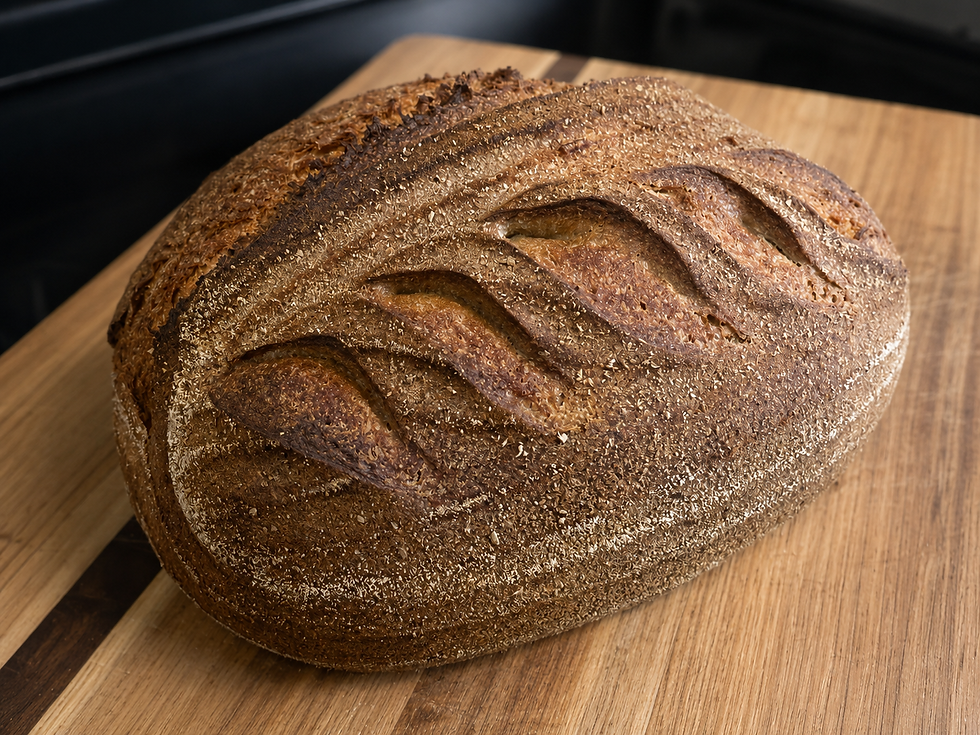
At Manna Mill, khorasan plays an important role in our Signature Blend because it contributes both flavor and character to the finished loaf.
Rye
Although rye is not a wheat, it is often discussed alongside ancient grains because of its long history and distinctive baking qualities.
Rye contributes earthiness, complexity, and excellent keeping qualities to bread.
It also behaves very differently during fermentation, which is one reason rye breads have developed their own unique traditions throughout Europe.
Why Bakers Love Ancient Grains
For many artisan bakers, the appeal of ancient grains begins with flavor.
Modern wheat was often selected for yield, uniformity, and performance. Ancient grains offer an opportunity to explore flavors that are sometimes less common in contemporary baking.
A loaf made with einkorn tastes different from a loaf made with spelt. A loaf made with khorasan tastes different from both.
These differences allow bakers to create breads with unique personalities rather than relying on a single grain profile.
Ancient grains also connect modern baking to thousands of years of agricultural and culinary history. When baking with einkorn or spelt, a baker is working with grains that have nourished people for generations.
Do Ancient Grains Make Better Bread?
Not necessarily.
A poorly made loaf using ancient grains is still a poorly made loaf.
What ancient grains offer is possibility.
They provide different flavors, different baking characteristics, and different opportunities for craftsmanship.
In the hands of a skilled baker, those qualities can create breads that are remarkably distinctive.
Why We Use Ancient Grains
At Manna Mill Bread Co., we believe grain selection is just as important as fermentation, shaping, and baking.
That's why we incorporate grains such as khorasan, spelt, rye, and einkorn into many of our products.
Each grain contributes something unique to the final loaf.
Rather than viewing grain as a commodity, we view it as an ingredient with its own story, flavor, and character.
The Future of Traditional Grains
Interest in ancient grains continues to grow as more bakers and consumers seek foods with deeper flavor and stronger connections to traditional foodways.
While modern wheat remains an important and valuable crop, ancient grains offer a glimpse into the remarkable diversity that exists within the world of grain.
For bakers, that diversity creates endless opportunities to learn, experiment, and craft bread that celebrates the grain itself.
If you'd like to learn more, explore our guides on:
Because every great loaf begins with understanding the grain.
Comments